
“How do I raise confident children in a world where racism and racial bias still affect them?”
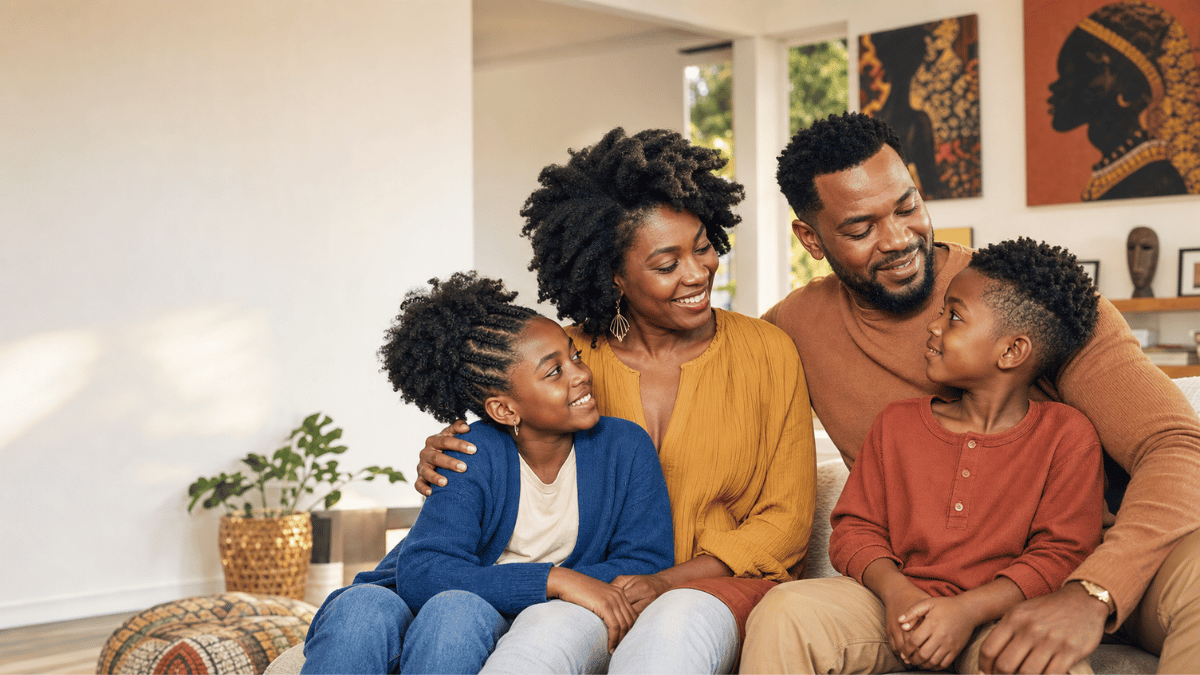
Yelling Ant’s TL;DR — Raising Brown children requires more than teaching them to work hard and treat everyone kindly. Parents must build cultural pride, prepare children for bias without making them fearful, and create a home where racism can be discussed honestly. Strong racial identity, trusted community, and practical self-advocacy give children tools to protect their confidence without shrinking who they are.
by Yelling Ant Editors – https://YellingAnt.com
Our parents often prepared us to survive, but survival came with rules nobody fully explained: work twice as hard, stay calm, never embarrass the family, and watch how you speak. Those lessons carried love, fear, and generations of hard-earned wisdom. But Brown children also deserve language for what they experience, permission to feel what they feel, and the confidence to know the problem is not their skin.
Key truths worth remembering:
• Cultural pride should begin before the first racist incident.
• Children need preparation, not constant fear.
• Home must be the one place where they never have to perform.
- i. Children Notice Race Much Earlier Than Adults Think
Babies can notice race-based differences by approximately 6 months old, and children may begin internalizing racial bias between ages 2 and 4, according to the American Academy of Pediatrics. Silence does not keep children innocent; it leaves society to explain race first. Name skin color positively, answer questions calmly, and make cultural pride part of everyday childhood.
- ii. “Treat Everyone the Same” Is Not Enough
Fairness matters, but colorblind parenting can hide the unequal treatment Brown children may actually experience. Teach them that race is a social construct, not a biological ranking of human worth, and that racism can operate through people, policies, and institutions. They should recognize injustice without believing injustice defines their future.
- iii. Cultural Pride Is Emotional Armor
Children need more than heroes during Black History Month or Hispanic Heritage Month. Fill ordinary life with family stories, music, food, books, art, language, inventions, and traditions that reflect them. The American Psychological Association reports that a positive racial and ethnic identity can help provide a buffer against racism and discrimination.
- iv. Preparation for Bias Should Include a Plan
“People may treat you differently” is a warning, not a complete lesson. Practice what your child can say, when to walk away, which adult to contact, and how to document what happened. Preparation becomes empowering when children leave the conversation with choices instead of fear.
The world may try to hand Brown children a smaller story, but families and communities can teach them to write a bigger one. Go see the Parenting That Works Colony for more ==> https://yellingant.com/colony/parentingthatworks
- v. Racism Can Hurt Even When Nobody Uses a Slur
A microaggression is a subtle comment, question, or action that communicates a stereotype or insult toward a marginalized group. It can sound like “You’re so articulate,” “Can I touch your hair?” or repeated surprise that a Brown child earned the highest grade. Teach children to trust the discomfort while also helping them decide which moments deserve correction, documentation, or distance.
- vi. Their School Record Should Include More Than Report Cards
If racial bullying, biased discipline, or unequal treatment occurs, save emails, dates, names, screenshots, and the school’s response. Title VI of the Civil Rights Act of 1964 prohibits race, color, and national-origin discrimination in federally funded education programs. Documentation turns “something felt wrong” into a clear pattern adults must address.
- vii. Code-Switching Is a Tool, Not Their Identity
Code-switching means changing language, tone, appearance, or behavior to fit the expectations of a particular setting. Brown children may use it strategically, but they should never believe their natural voice, hair, name, or culture is unprofessional. Teach them to read the room without surrendering themselves to it.
- viii. Excellence Will Not Always Protect Them
Hard work can open doors, but achievement does not make anyone immune to bias. Children should know that being overlooked does not automatically mean they were unprepared, unworthy, or imagining things. Help them evaluate what happened, seek honest feedback, challenge unfairness, and keep moving without carrying somebody else’s prejudice as personal shame.
- ix. Their Feelings Are Evidence, Not Inconveniences
In a CDC study, 55.2% of Black high school students reported having experienced perceived racism. Racism at school has been associated with higher levels of poor mental health and other health risks, making emotional check-ins a necessity rather than an indulgence. Ask specific questions, listen without rushing to fix everything, and seek culturally responsive professional support when distress persists.
Raise children who know they never have to edit their humanity to earn belonging—join the Parenting That Works Colony at https://yellingant.com/colony/parentingthatworks and Find Your People™. No Code-Switching Needed.
- x. Community Is Not Optional
No child should have to be the only Brown face in every room they enter. Relationships with culturally grounded relatives, mentors, coaches, educators, faith communities, and trusted neighbors show children that their experience is neither strange nor isolated. Community gives them mirrors, witnesses, protection, and people who understand without requiring a full explanation.
- xi. Joy Is Part of the Resistance
Do not let every conversation about being Brown become a warning about danger. Make room for laughter, softness, creativity, travel, celebration, rest, and the gloriously ordinary freedom of childhood. Children deserve to know their culture as a source of joy—not only as something they must defend.
- Final Word
Raising Brown children in a White-centered world does not mean teaching them to fear White people or expect rejection everywhere. It means telling them the whole truth while building a self-image strong enough to survive somebody else’s lie. Give them roots, language, options, community, and joy. Then remind them relentlessly: they were never born to become smaller so somebody else could feel bigger.
Our children deserve a community that protects their joy, honors their identity, and understands the culture behind the conversation—keep it going in the Parenting That Works Colony https://yellingant.com/colony/parentingthatworks at Yelling Ant.
- Sources
American Academy of Pediatrics, “Talking to Children About Racial Bias”: https://www.healthychildren.org/English/healthy-living/emotional-wellness/Building-Resilience/Pages/Talking-to-Children-About-Racial-Bias.aspx
American Psychological Association, “What Is RESilience?”: https://www.apa.org/res/about/racial-ethnic-socialization
Centers for Disease Control and Prevention, “Perceived Racism and Demographic, Mental Health, and Behavioral Characteristics Among High School Students”: https://www.cdc.gov/mmwr/volumes/71/su/su7103a4.htm
Centers for Disease Control and Prevention, “Experiences of Racism in School and Associations With Mental Health and Other Health Risks”: https://www.cdc.gov/mmwr/volumes/73/su/su7304a4.htm
U.S. Department of Education, “Education and Title VI”: https://www.ed.gov/laws-and-policy/civil-rights-laws/race-color-and-national-origin-discrimination/education-and-title-vi
National Human Genome Research Institute, “Race”: https://www.genome.gov/genetics-glossary/Race